Call Us for Additional Info or to Book a Date 850.896.0420
Tuscany’s Mild Winter Warmers: A Culinary Escape

Tuscany’s Mild Winter Warmers: A Culinary Escape

When temperatures drop in Tuscany—even mildly—the region’s kitchens come alive with dishes that have warmed Italian families for centuries. These aren’t just recipes; they’re edible history, born from necessity and perfected through generations. Chef Damiano brings these authentic Tuscan winter traditions to Destin and 30A, proving that true comfort food transcends geography.

The Cucina Povera Philosophy: Turning Scarcity Into Art

Tuscan winter cuisine emerged from “cucina povera”—literally “poor kitchen”—a cooking philosophy developed by resourceful Italian peasants who transformed humble ingredients into extraordinary meals. Nothing was wasted. Stale bread became soup. Tough cuts of meat slow-cooked into tender ragùs. Wild vegetables foraged from hillsides filled hearty stews.

This wasn’t deprivation cooking; it was ingenious gastronomy born from necessity. Tuscan farmers and laborers needed filling, nutritious meals that could be prepared in a single pot while they worked the fields. The result? Dishes with layers of flavor developed through slow cooking, strategic use of aromatics, and respect for seasonal ingredients.

Today, these “peasant dishes” command premium prices in upscale restaurants worldwide. But their soul remains unchanged—they’re still about warmth, comfort, and making the most of what you have.

Ribollita: The Twice-Cooked Masterpiece

The History

Ribollita means “reboiled,” and the name tells the story. Medieval Tuscan servants would collect leftover bread and vegetable scraps from wealthy households, combine them with what they could grow or forage, and create a thick soup. The dish literally improved when reheated the next day—the bread absorbed more broth, flavors deepened, and textures melded perfectly.

By the Renaissance, ribollita had evolved from survival food into a celebrated dish. Even wealthy Florentine families began requesting it. The soup appeared in written records as early as the 15th century, often served during winter months when fresh vegetables were scarce but hardy greens like cavolo nero (Tuscan black kale) thrived.

The Modern Dish

Today’s ribollita remains remarkably true to its origins. The base includes cannellini beans, cavolo nero, savoy cabbage, carrots, celery, onions, and potatoes, all simmered in vegetable broth. Chunks of stale, unsalted Tuscan bread transform the soup into a thick, almost porridge-like consistency.

The key is patience. Ribollita needs time for the bread to break down and absorb the broth completely. Each spoonful delivers tender beans, slightly chewy kale, softened vegetables, and bread that’s become part of the soup itself rather than just an addition.

A generous drizzle of high-quality extra virgin olive oil before serving adds richness without heaviness—a final flourish that elevates this peasant dish to something genuinely special.

Why It Works

Ribollita is a complete meal—protein from beans, nutrients from vegetables, carbohydrates from bread, and healthy fats from olive oil. It’s filling without being heavy, making it perfect for mild winter evenings. The unsalted Tuscan bread, which might seem odd to American palates, actually serves a crucial purpose: it doesn’t compete with other flavors but acts as a neutral sponge that absorbs and amplifies them.

Pappa al Pomodoro: Tomato Comfort in a Bowl

The History

Pappa al pomodoro has similar peasant origins to ribollita, but with a twist—it relies heavily on tomatoes, which didn’t arrive in Italy until the 16th century after Spanish conquistadors brought them from the Americas. Initially feared as poisonous, tomatoes eventually became a Tuscan staple.

The dish likely emerged in the late 1700s when impoverished Tuscan families needed to stretch limited ingredients. Stale bread + abundant tomatoes + garlic + olive oil = a meal that could feed an entire family. The name “pappa” refers to baby food or mush, describing the soup’s thick, almost pudding-like texture.

Interestingly, pappa al pomodoro was traditionally a summer dish made with fresh tomatoes at peak ripeness. But resourceful Tuscan cooks discovered that using preserved tomatoes in winter created an entirely different flavor profile—deeper, more concentrated, and intensely satisfying.

The Modern Dish

Contemporary pappa al pomodoro stays faithful to the original: ripe tomatoes (San Marzano for winter versions), garlic, fresh basil, stale unsalted Tuscan bread, and generous amounts of extra virgin olive oil, all slow-cooked until the bread practically dissolves into the tomato base.

The texture is what makes this dish special—thick enough to eat with a fork but still spoonable, with tiny bread pieces suspended throughout. It should shimmer with olive oil and smell intensely of garlic and basil.

Why It Works

This deceptively simple dish demonstrates that quality matters more than quantity. Mediocre tomatoes or cheap olive oil will produce mediocre results. But excellent ingredients, properly prepared, create something magical—bright tomato flavor balanced with garlic and basil, enriched by fruity olive oil, with a uniquely satisfying texture that’s both rustic and refined.

The lack of salt in traditional Tuscan bread is crucial here. Salted bread would make the soup too salty and interfere with the tomato’s natural acidity and sweetness.

Pappardelle al Ragù di Cinghiale: Wild Boar and the Hunt

The History

Wild boar (cinghiale) have roamed Tuscan forests since ancient times. Etruscans hunted them 3,000 years ago. Romans considered boar meat a delicacy reserved for special occasions. During the Middle Ages, wild boar hunting became both sport and necessity—the animals provided meat during winter when domestic livestock needed to be preserved for breeding and work.

Tuscan hunters developed elaborate marinades and slow-cooking techniques to tenderize the tough, gamey meat. The long marination in red wine wasn’t just for flavor—the wine’s acidity actually broke down tough muscle fibers, making the meat tender enough to eat.

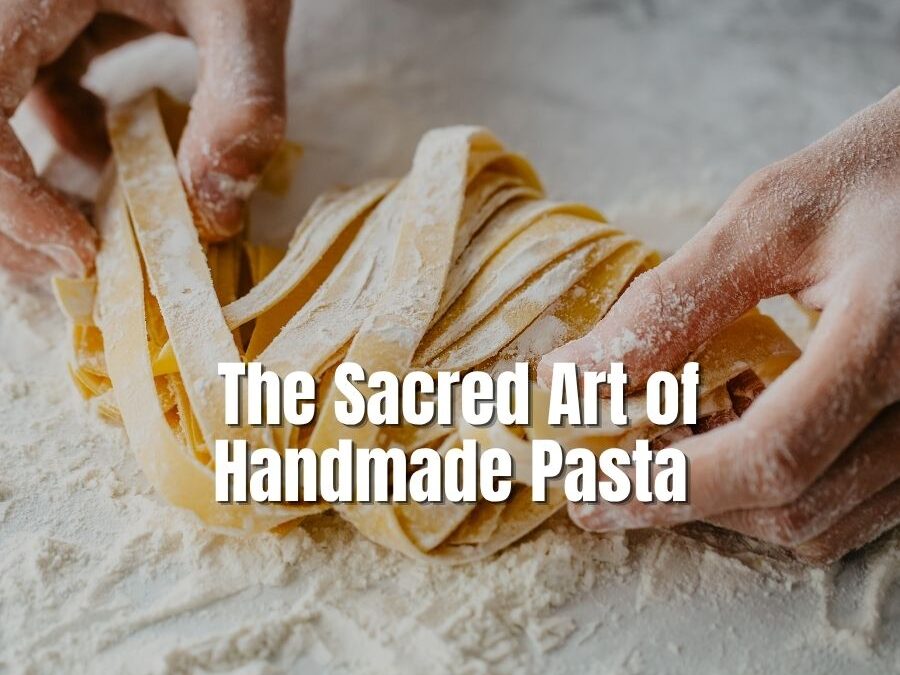
Pappardelle, the wide ribbon pasta, originated in Tuscany specifically for hearty meat ragùs. Its broad surface area catches and holds thick sauces better than narrower pastas. The pairing of pappardelle with wild boar ragù likely dates back to the 14th or 15th century, when pasta-making became more common in Tuscan households.

The Modern Dish

Authentic pappardelle al ragù di cinghiale requires patience. The wild boar marinates in red wine with aromatics for 12-24 hours. Then it slow-cooks for 3-4 hours with soffritto (finely chopped onion, carrot, and celery), tomatoes, and a carefully chosen blend of herbs: rosemary, sage, bay leaves, and juniper berries.

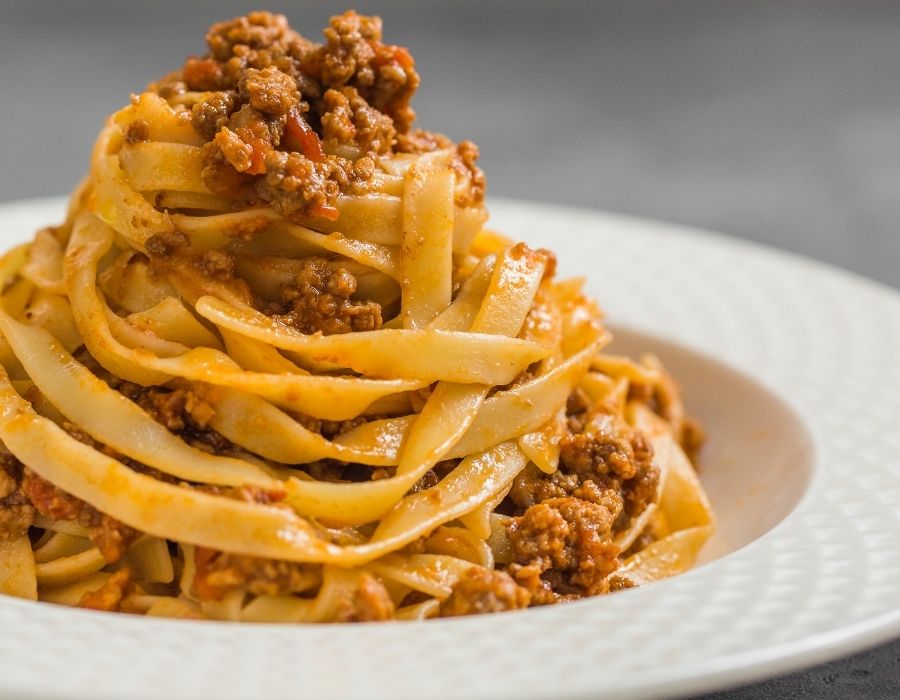
The result is fall-apart tender meat in a rich, wine-soaked sauce that clings to fresh pappardelle. A dusting of Parmigiano-Reggiano or Pecorino Romano adds the final touch—salty, nutty cheese that balances the ragù’s richness.

Why It Works

Wild boar offers deeper, more complex flavor than domestic pork or beef—slightly gamey but not overwhelming, especially after proper marination. The long cooking time allows all flavors to meld completely. The wide pappardelle is engineered to catch every bit of ragù, ensuring each bite delivers the full flavor experience.

This dish represents rustic elegance—it’s hearty and satisfying but also sophisticated in its depth of flavor. It’s special occasion food that still maintains its peasant cooking roots.

Why Tuscan Winter Food Matters Today

These dishes endure because they solve timeless problems: how to create satisfying meals from simple ingredients, how to waste nothing, how to feed people well without extravagance. In an era of overly complicated recipes and expensive ingredients, Tuscan winter comfort food reminds us that truly great cooking often comes down to quality ingredients, proper technique, and patience.

Chef Damiano brings these authentic traditions to Florida’s Gulf Coast, adapting centuries-old recipes for modern palates while respecting their history and soul. Whether you’re planning a trip to Tuscany or simply craving something hearty for a cool evening in Destin, these dishes offer a direct connection to Italian culinary heritage—comfort food with a story worth telling.

Buon Cibo. Buon Vino. Buon Amici.

Spending time with friends around the dinner table creates magical moments in our lives. In Italy, this is a way of life!  Book a memorable dinner event for you, your family, and your friends!

BOOK NOW

Siena’s Culinary Tapestry: Weaving History and Flavor

Siena’s Culinary Tapestry: Weaving History and Flavor

Imagine Your Destin Evening, Transformed

Close your eyes for a moment. You are in Destin, the gentle sound of the Gulf waves whispering in the background, the air warm and familiar. But as you open your eyes, your senses tell a different story. The aroma filling your vacation home isn’t just of delicious food; it’s the scent of history, of sun-drenched Tuscan hills, of ancient recipes passed down through generations. This is the experience Chef Damiano brings to you—a culinary passage that transports you from the Emerald Coast directly to the heart of Siena, Italy. You haven’t traveled, yet you’ve arrived.

Forget the stress of reservations, the noise of crowded restaurants, and the compromises of a standard menu. Your evening is about to become an exclusive, intimate affair. This is the pinnacle of Our Private Chef Services, where luxury is not just about the ingredients on the plate, but about the seamless, personalized, and utterly captivating experience created just for you. Chef Damiano, a culinary artist with deep roots in Tuscan traditions, doesn’t just cook for you; he curates an evening where every dish tells a story, weaving the rich tapestry of Sienese history and flavor into your Destin celebration.

Beyond the Plate: The Soul of Sienese Cuisine

To truly appreciate the meal that will unfold before you, you must first understand its origins. Sienese cuisine is a proud, distinct chapter in the grand novel of Italian food. It was shaped not by opulence, but by ingenuity, history, and a fierce sense of identity. For centuries, Siena was a powerful, independent city-state, a formidable rival to its neighbor, Florence. This rivalry colored everything, from art and architecture to, most deliciously, food.

The culinary traditions you will taste are born from Siena cuisine history, a story of resourcefulness known as cucina povera, or ‘peasant cooking.’ But don’t let the name fool you. This is not about poverty; it is about purity. It’s a philosophy centered on using simple, high-quality, local ingredients to create dishes with profound depth and flavor. It’s about honoring the land and the season. You’ll find this philosophy in the hearty, unleavened bread, the fragrant olive oil, the robust pecorino cheeses, and the prized pork from the local Cinta Senese breed. Chef Damiano honors this tradition, sourcing the finest ingredients to replicate that authentic Tuscan ethos here in Florida.

The Medieval Pantry: Ingredients That Tell a Story

Your Sienese dining experience is built upon a foundation of iconic ingredients. Imagine the sharp, nutty flavor of aged Pecorino Toscano, a sheep’s milk cheese that has been a staple in the region for centuries. Picture the deep, earthy notes of wild boar or the rich marbling of Cinta Senese pork, a heritage breed that roams the Tuscan forests. Think of the unique, thick, hand-rolled pasta called pici, a testament to the simplicity and heart of Tuscan regional food. These are not just components of a recipe; they are artifacts of a culture, each with a story that Chef Damiano is eager to share with you and your guests. These are the details that elevate a meal into a memorable collection of Italian culinary stories.

A Journey Through Siena’s Flavors, Right in Your Florida Home

Chef Damiano acts as your personal guide on this culinary expedition. Your dining table becomes a map of Tuscany, with each course representing a different landmark in its gastronomic history. You’re not just a diner; you are an honored guest being initiated into the secrets of Sienese cooking, all within the comfort and privacy of your own space.

The Primi: Pici, a Hand-Rolled Story of Simplicity

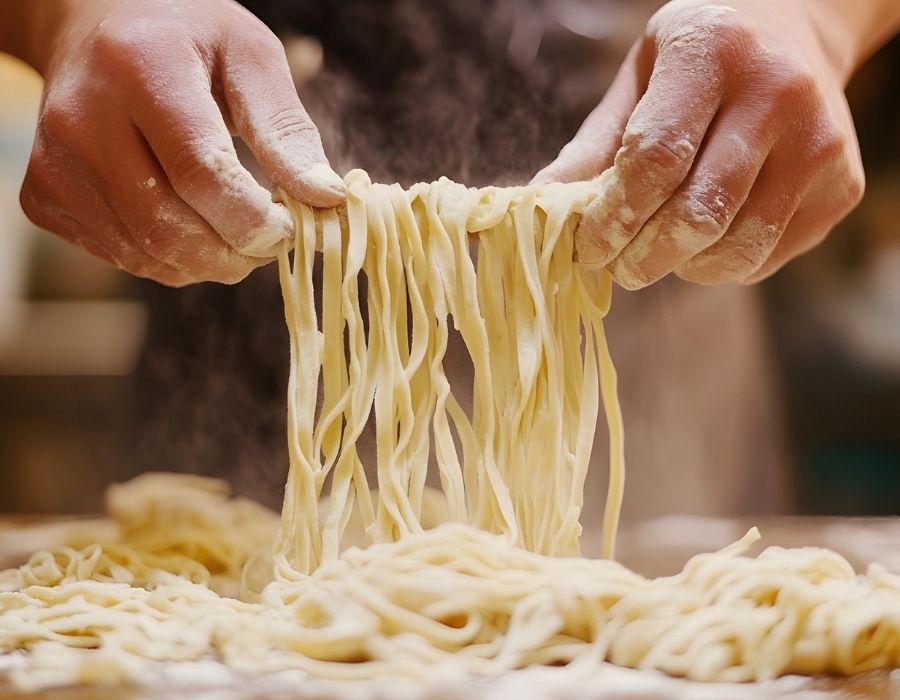
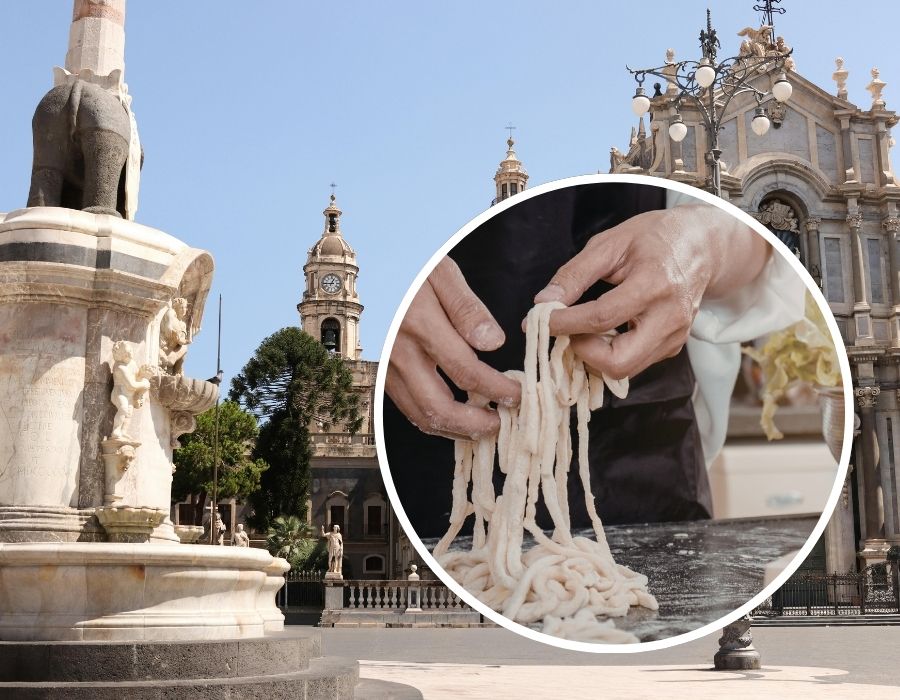
Your journey likely begins with the Primi Piatti, the first course, and there is nothing more quintessentially Sienese than pici. This pasta is a marvel of simplicity—just flour, water, and the skilled hands of the chef. Unlike egg-based pasta, its dense, chewy texture is designed to capture and hold onto rustic, flavorful sauces. You’ll watch, perhaps with a glass of Chianti in hand, as Chef Damiano explains the tradition behind rolling each thick strand by hand. He might dress it in aglione, a sublime sauce of slow-cooked garlic and tomatoes, or perhaps a classic cacio e pepe, allowing the quality of the Pecorino cheese to shine. This isn’t just a pasta dish; it’s a tactile connection to generations of Tuscan home cooks.

The Secondi: Honoring the Land with Rich, Savory Meats

The main course, or Secondi, showcases the heartier side of Sienese cuisine, where slow cooking and bold flavors reign supreme. You might find yourself savoring a classic Tagliata di Manzo, perfectly seared steak sliced and served over a bed of arugula with shavings of Parmesan and a drizzle of aged balsamic. Or perhaps you’ll indulge in a rich wild boar stew, a dish that speaks of the region’s ancient forests and hunting traditions. Chef Damiano meticulously prepares these dishes, using techniques that have been perfected over centuries to tenderize the meat and build layers of complex flavor. Each bite is a testament to the Sienese respect for the land and its bounty, an authentic Italian experience that is robust, honest, and deeply satisfying.

The Contorni and Dolce: Simplicity as the Ultimate Sophistication

Even the side dishes and desserts tell a story. You might enjoy fagioli all’uccelletto, creamy cannellini beans stewed with tomato and sage, a humble dish elevated to perfection. And for the grand finale, the Dolce, you will be introduced to Siena’s legendary confections. Imagine tasting Panforte, a dense, chewy medieval fruitcake packed with nuts, honey, and exotic spices—a recipe that dates back to the Crusades. Or perhaps the delicate, almond-based Ricciarelli cookies, dusted with powdered sugar like a fine Tuscan snow. These desserts are not merely sweet endings; they are edible history. To explore the possibilities for your own evening, you can view our Tuscan Menus and begin dreaming of the flavors that await you.

The Unmatched Luxury of an In-Home Tuscan Experience

A meal prepared by Chef Damiano is more than just dinner. It is the ultimate expression of luxury dining, a bespoke service designed to provide you with an unparalleled level of comfort, intimacy, and sophistication. This is what sets our Destin private chef services apart, transforming your home or vacation rental into the most exclusive restaurant in town, where you are the only guest of honor.

Effortless Elegance, Tailored to You

Imagine an entire evening dedicated solely to your pleasure. There is no need to travel, no search for parking, no waiting for a table. The experience begins when you decide. Chef Damiano and his team handle everything with discreet professionalism, from sourcing the freshest ingredients and meticulous preparation to serving each course with perfect timing and, finally, leaving your kitchen impeccably clean. Your only responsibility is to relax, engage with your guests, and immerse yourself in the culinary narrative. Whether it’s a romantic dinner for two, a milestone family celebration, or an impressive corporate dinner, the evening is tailored precisely to your desires, ensuring a flawless and memorable event.

More Than a Meal: A Culinary Storytelling Event

What truly elevates this experience is the personal interaction with the chef. Chef Damiano is not hidden away in a distant kitchen. He is your host and storyteller. As he plates each dish, he shares its context—the history behind Panforte, the reason pici is made without eggs, the story of the farmers who first perfected that Pecorino cheese. Your dinner becomes an engaging, interactive event. You and your guests can ask questions, learn about Tuscan traditions, and gain a deeper appreciation for the food you are enjoying. It’s this personal connection, this sharing of passion and knowledge, that transforms a superb meal into a cherished memory.

Bring the Heart of Siena to Your Destin Table

Your time in Destin is precious. It’s about creating moments that you will talk about for years to come. An evening with Chef Damiano is one such moment. It’s an investment in an experience that nourishes not just the body, but also the soul, connecting you and your guests through the universal language of exceptional food and fascinating stories.

You can give your family the gift of a unique cultural immersion without ever leaving the comfort of your home. You can host a dinner party that will set a new standard for elegance and sophistication among your friends or colleagues. This is your opportunity to step away from the ordinary and embrace an evening of authentic Tuscan heritage, personalized luxury, and unforgettable flavor.

Your journey into the heart of Tuscany is just a reservation away. Let the historic streets of Siena, the rolling Tuscan hills, and the richness of its culinary soul become the backdrop for your perfect Destin evening. Are you ready to transform your night? Book Your Culinary Experience with Chef Damiano and let the story of Siena unfold at your table.

A Tuscan Autumn on the Emerald Coast

A Tuscan Autumn on the Emerald Coast

As the air along the Emerald Coast turns crisp and the sunsets deepen into rich golds and oranges, fall arrives in Destin with quiet beauty. The summer crowds fade, the beaches calm, and evenings become perfect for gathering with good food, fine wine, and the warmth of great company.

For those who prefer intimacy over busy restaurants, hiring a private chef in Destin, Florida offers an experience unlike any other. It’s dining without distractions—crafted in the comfort of your own home or vacation retreat, with every course prepared to reflect the season’s flavors and the charm of Tuscany.

The Spirit of Tuscany in Coastal Florida

Tuscan cuisine is rooted in simplicity—high-quality ingredients, honest preparation, and deep appreciation for the art of dining. That philosophy fits beautifully in Destin, where the Gulf’s abundance of seafood and produce naturally complements Italian cooking traditions.

This fall, many guests are seeking private dining experiences that bring a sense of comfort and celebration to their evenings. And that’s exactly what a Tuscan-inspired menu delivers: warmth, flavor, and connection, all served with relaxed coastal elegance.

Fall Ingredients, Italian Soul

A warm and inviting autumn dessert spread illuminated by candlelight. A bottle of Limoncello stands prominently amidst various treats, including a large dish of tiramisu, glasses of what appears to be limoncello sorbet or gelato, plates of crepes filled with chocolate and cream, and fresh figs. Cinnamon sticks and orange zest garnish the table, which is adorned with fallen autumn leaves. The background features more glowing candles, creating a cozy and festive atmosphere.

Autumn is harvest season in Tuscany, a time for hearty flavors and generous hospitality. In Destin, private chefs channel that same spirit, using locally sourced produce and imported Italian staples to build menus that honor both regions.

A Tuscan-inspired evening might begin with something light and elegant, like a Classic Caprese layered with burrata, tomatoes, and balsamic reduction, or a Prosciutto Salad with shaved melon, cucumber, and Manchego cheese. Guests who prefer something richer might start with Panko-Crusted Eggplant Parmigiana, Shrimp in Spicy Tomato Sauce, or Crab Cakes with Remoulade—each one blending comfort with sophistication.

As the night deepens, pastas and entrées become the stars of the show. Handcrafted favorites such as Butternut Squash Ravioli with Sage Butter, Casarecce Pasta with Shrimp and Lemon Zest, or Orecchiette with Sausage and Rapini highlight the season’s best flavors. These dishes evoke the rustic warmth of a Tuscan kitchen while making use of the Gulf Coast’s incredible freshness.

For the main course, guests might savor Filet Damiano—a tender seared filet served over garlic mashed potato cake with gorgonzola-peppercorn sauce—or a local seafood specialty such as Grouper Damiano, paired with spinach risotto and white wine sauce. Other fall favorites like Pork Ossobuco over Polenta and Lobster Risotto with a touch of cream provide the kind of richness and comfort that define cool-weather dining.

The Joy of a Private Chef Experience

Hiring a private chef transforms a meal into an event. From menu planning to cleanup, every detail is handled so guests can simply enjoy their evening. Whether it’s a romantic dinner for two, a family reunion, or a holiday celebration, private dining allows for total customization—down to the timing of each course.

Fall is especially suited to this kind of experience. Cooler evenings encourage candlelight dinners on balconies or patios, surrounded by the soft sound of the Gulf. A private chef in Destin brings everything together: fine ingredients, expert technique, and a genuine passion for creating moments that linger long after the last course.

The Perfect Wine Pairing

Tuscan dining wouldn’t be complete without thoughtful wine pairings. Many private chefs curate lists featuring bold reds like Chianti or Brunello di Montalcino to complement beef or veal dishes, and crisp whites such as Vernaccia or Vermentino to match with seafood and lighter pastas.

Imagine savoring a glass of Chianti alongside Pappardelle Bolognese, or a chilled Vernaccia with Grouper Damiano as the sun sets over Destin Harbor. It’s an effortless blend of Old-World flavor and Gulf Coast charm—refined, relaxed, and unforgettable.

From Florence to Destin: A Shared Culinary Philosophy

Both Tuscany and Destin share a love of authenticity. In each, food is more than nourishment—it’s connection, tradition, and storytelling. The Tuscan philosophy of la dolce vita (“the sweet life”) fits perfectly within the Emerald Coast lifestyle, where guests value experiences over extravagance.

Every dish tells a story: the rustic simplicity of a hand-rolled pasta, the subtle richness of a wine reduction, or the brightness of a lemon-infused olive oil. A private chef doesn’t just serve food; they craft memories that reflect their heritage and their environment.

Holiday Gatherings, Tuscan Style

An elegantly set outdoor dinner table on a sandy beach at sunset. The wooden table is laden with plates of pasta topped with large prawns and other seafood, glasses of red wine, and a bottle of red wine. It's beautifully decorated with tall white candles, rich autumn-toned floral arrangements in reds and oranges, and scattered fall leaves. In the soft golden light of dusk, the ocean and dunes are visible in the background, creating a romantic and festive atmosphere.

As the holiday season approaches, private dining becomes an elegant alternative to traditional entertaining. Instead of cooking for a crowd or searching for last-minute restaurant reservations, hosts can relax and let the experience unfold around them.

Thanksgiving in Destin, for instance, can be reimagined with an Italian twist—tender meats, herb-infused sauces, handmade pastas, and desserts that balance indulgence with lightness. Favorites like Tiramisu, Chocolate Lava Cake with Vanilla Gelato, and Nutella & Mascarpone Crepes offer a sweet ending that guests never forget.

For smaller gatherings, private chefs often design family-style menus that invite sharing, conversation, and laughter—just like dining in a Tuscan villa.

Choosing a Private Chef in Destin

When selecting a private chef, it’s important to look for someone who values quality and personalization over formality. The most memorable experiences come from chefs who adapt their menus to the season and the client’s preferences.

Chef Damiano believes in these 4 guidelines:

Seasonal ingredients: Fresh produce and seafood sourced locally.
Authentic techniques: True Tuscan or Mediterranean preparation styles.
Attention to detail: Elegant presentation and flawless service.
Atmosphere: A relaxed yet refined setting that complements the meal.
The goal isn’t just to eat—it’s to savor every element of the evening.

A Sensory Journey on the Emerald Coast

A private Tuscan dining experience in Destin appeals to all the senses. The glow of candlelight, the aroma of garlic and herbs, the texture of handmade pasta, and the sound of laughter over wine—it all combines to create something immersive and timeless.

Guests often describe these evenings as a journey, not just a dinner. The balance between Tuscan authenticity and Destin’s coastal energy makes it uniquely memorable.

Fall Dining Redefined

This fall, as the Emerald Coast settles into its most peaceful season, private dining offers the perfect way to slow down and celebrate life’s simple luxuries. With Tuscan-inspired flavors, elegant wine pairings, and the comfort of home, a private chef in Destin, Florida delivers more than a meal—it’s an experience filled with warmth, connection, and artistry.

From delicate appetizers like Caprese and Butternut Squash Ravioli to rich entrées such as Filet Damiano and Pork Ossobuco, each course reflects the heart of Tuscany while honoring the beauty of Destin. Add in signature desserts like Tiramisu or Limoncello-Topped Berries, and the result is a night that captures both Italian romance and coastal charm.

For travelers, locals, and holiday hosts alike, there’s no better way to experience the season than through the comfort, flavor, and authenticity of a private Tuscan-style chef experience on the Emerald Coast.

www.ChefDamiano.com

The Art of Tuscan Comfort Food: Warming Dishes for Chilly Evenings

The Art of Tuscan Comfort Food: Warming Dishes for Chilly Evenings

As autumn settles over Destin, Florida, there’s a gentle shift in the air. The days get a little shorter, the evenings a little cooler, and suddenly, everyone’s craving something cozy and satisfying. For those who love the flavors of Tuscany, fall is the perfect excuse to dig into the region’s most comforting dishes. Tuscan cooking is all about rustic, heartwarming flavors that bring people together and make any meal feel special.

What Makes Tuscan Comfort Food So Special?

Tuscan comfort food is all about simplicity and heart. It’s rooted in “cucina povera,” or “peasant cooking,” where humble, seasonal ingredients are transformed into something truly delicious. In Tuscany, fall is a time of abundance—think wild mushrooms, chestnuts, hearty greens, and game meats. These ingredients inspire dishes that are robust, earthy, and perfect for sharing.

There’s nothing fussy or complicated about Tuscan food. Recipes are passed down through generations, each one carrying stories of family, tradition, and the changing seasons. Whether it’s a steaming bowl of soup, a slow-cooked ragù, or a rustic loaf of bread, every dish is a celebration of the land and the people who care for it.

Wild Boar Ragù: A Taste of the Tuscan Countryside

One dish that really captures the spirit of Tuscan fall is wild boar ragù, or “ragù di cinghiale.” This is the kind of sauce that simmers away for hours, filling the kitchen with the rich aroma of red wine, tomatoes, and fresh herbs. In Tuscany, wild boar is a prized ingredient, especially during the autumn hunting season. The meat is rich and flavorful, pairing perfectly with rosemary, sage, and a hint of juniper.

In Destin, this classic can be recreated using locally sourced pork or beef when wild boar isn’t available. The result is a deeply flavorful ragù that clings to wide ribbons of fresh pappardelle pasta. Add a glass of Chianti, and it’s the ultimate comfort food for a cool fall evening.

Pappardelle al Ragù di Cinghiale (or Pork Ragù)

  • Fresh pappardelle pasta
  • Slow-cooked ragù with red wine, tomatoes, and herbs
  • Finished with a sprinkle of Parmigiano-Reggiano

Pappa al Pomodoro: The Humble Tomato Bread Soup

Another Tuscan favorite for chilly nights is pappa al pomodoro. This thick, rustic soup is made from ripe tomatoes, stale bread, garlic, and basil. It’s the kind of dish that makes the most of what’s on hand—no waste, just pure comfort. Pappa al pomodoro is especially popular in the fall, when the last of the summer tomatoes are still around and the evenings start to cool off.

A good pappa al pomodoro is all about simplicity. Crusty Italian bread, sun-ripened tomatoes, and plenty of good olive oil come together to create a soup that’s hearty and satisfying. Served hot, it’s a perfect starter for a fall dinner or a meal all on its own.

Pappa al Pomodoro

  • Stale country bread
  • Fresh tomatoes or high-quality canned tomatoes
  • Garlic, basil, and extra-virgin olive oil
  • Simmered until thick and creamy

Polenta with Sausage: A Hearty Tuscan Classic

Polenta is another staple that really shines in the fall. In Tuscany, creamy polenta is often served with savory sausage, mushrooms, or a rich tomato sauce. The combination of soft, buttery polenta and flavorful toppings is pure comfort.

Traditional polenta is made by slowly stirring cornmeal with water and a touch of salt until it’s silky smooth. It’s often topped with Italian sausage, sautéed with onions, garlic, and a splash of red wine. It’s the kind of dish that warms you from the inside out—perfect for sharing with friends and family on a cool evening.

Polenta con Salsiccia

  • Creamy polenta made from stone-ground cornmeal
  • Italian sausage cooked with onions, garlic, and wine
  • Finished with a sprinkle of fresh herbs

More Than Just Food: The Heart of Tuscan Cooking

Tuscan comfort food is about more than just filling up—it’s about gathering together, sharing stories, and enjoying the simple pleasures of the season. These dishes are the stars of family dinners, festive celebrations, and quiet nights at home. Each recipe is a little piece of Tuscan history, a reminder of the rhythms of rural life and the importance of community.

In Tuscany, meals are a time to slow down and connect. The spirit of a true Tuscan table is all about warmth, hospitality, and savoring the moment.

Bringing Tuscany to Destin

For anyone in Destin looking for a taste of Tuscany this fall, there’s nothing quite like these classic comfort foods. By blending traditional recipes with the freshest local ingredients, it’s possible to honor the flavors of Tuscany while celebrating the bounty of the Gulf Coast. Whether it’s a private dinner, a family gathering, or a special event, Tuscan comfort food is the perfect way to embrace the season. As the evenings get cooler and the leaves start to turn, there’s nothing better than gathering around the table and enjoying the timeless flavors of Tuscany. For those who want to experience these dishes prepared with true Tuscan passion, Damiano is ready to bring the heart of Italy right to the Emerald Coast.

Cucina Povera: The “Poor Kitchen” Philosophy That Made Tuscan Food Rich  

Cucina Povera: The “Poor Kitchen” Philosophy That Made Tuscan Food Rich  

In the rolling hills of Tuscany, bathed in a light that has captivated artists for centuries, a culinary philosophy was born not from opulence, but from necessity. This approach, known as cucina povera, or “the poor kitchen,” is the foundational soul of Tuscan cuisine. It’s a testament to the ingenuity of generations of farmers, peasants, and villagers who learned to transform simple, humble ingredients into dishes of profound flavor and comfort. Understanding cucina povera isn’t just a history lesson; it’s the guiding principle behind creating authentic food that is both rustic and deeply satisfying. This is the story of how making do with less created one of the richest and most beloved food cultures in the world.


More Than a Name: Defining the “Poor Kitchen”

To truly grasp the essence of cucina povera, one must look beyond the literal translation. It is not about “poor” cooking in the sense of quality or flavor, but about cooking without wealth. It is a philosophy of pure resourcefulness, a way of life dictated by the seasons and the soil. Before the era of global shipping and year-round supermarkets, Tuscans cooked with what the land gave them when it gave it to them. Spring meant tender fava beans and artichokes; summer brought forth a bounty of sun-ripened tomatoes and zucchini; autumn yielded chestnuts, mushrooms, and hearty greens like cavolo nero (Tuscan kale); and winter was for preserved meats and warming bean soups.

This hyper-seasonal approach meant ingredients were always at their peak flavor, bursting with a vitality that required little adornment. The goal of the Tuscan cook was never to mask or radically transform an ingredient, but to elevate its natural essence. A drizzle of newly pressed olive oil, a sprig of fresh rosemary, a clove of garlic—these were the tools used to coax out the inherent goodness of the food. Often the true test of a chef isn’t what they can do with a prized truffle or a kilogram of Chianina beef, but what they can create from a stale loaf of bread and a handful of garden tomatoes. That, he insists, is where the real magic lies. This is a cuisine built on three unshakeable tenets: use what you have, waste absolutely nothing, and make it delicious.


The Pillars of the Tuscan Table

The genius of cucina povera rests on a few essential, high-quality pillars that form the backbone of countless Tuscan dishes. These are not exotic luxuries, but rather the humble, life-sustaining products of the land, treated with the utmost respect.


Pane Toscano: The Unsung Hero

One cannot speak of Tuscan food without first honoring its bread. Pane Toscano is famously, and uniquely, baked without salt. Historical accounts suggest this tradition began during the Middle Ages when the maritime republic of Pisa, a bitter rival of inland Florence, controlled the salt trade. A Pisan blockade or an exorbitant tax supposedly forced Florentine bakers to adapt. Whatever the origin, the result is a plain, sturdy bread with a crisp, crackling crust and a soft, airy crumb.

While it may seem bland on its own, its lack of salt makes it the perfect, neutral canvas for Tuscany’s intensely flavorful cured meats, salty cheeses, and rich olive oil. More importantly, in the spirit of cucina povera, stale bread is never, ever wasted. It is a prized ingredient, the starting point for some of the region’s most iconic dishes.

Take Ribollita, a name which literally means “re-boiled.” This hearty vegetable soup, thick with cannellini beans, cavolo nero, cabbage, and other garden vegetables, is a meal in itself. Day-old bread is layered into the soup, and the entire pot is left to rest. The next day, it is gently reheated, or “re-boiled,” allowing the bread to break down and transform the soup into a thick, porridge-like stew that is profoundly comforting. It is the very embodiment of turning something old into something new and glorious.

Similarly, there is Pappa al Pomodoro. This is cucina povera at its most elemental and beautiful. Stale bread is simmered with vibrant, ripe summer tomatoes, garlic, basil, and a generous amount of olive oil. The bread dissolves into the sweet-tart tomato base, creating a rustic, spoonable dish that is part soup, part porridge, and entirely Tuscan. These dishes are not just recipes; they are masterclasses in transforming scarcity into abundance.


Fagioli: The Soul of the Land

Tuscans are affectionately known throughout Italy as mangiafagioli, or “the bean eaters,” a nickname they wear with pride. For centuries, beans—particularly the creamy, delicate cannellini variety—were a vital source of protein for a population that could rarely afford meat. They are the heart of many rustic dishes, providing substance, texture, and a deep, earthy flavor that grounds the cuisine.

A classic example is Pasta e Fagioli, a humble soup beloved across Italy but perfected in the Tuscan kitchen. The true Tuscan method involves puréeing a portion of the cooked beans to create a naturally creamy, velvety base for the pasta and whole beans to swim in. This simple technique adds a luxurious texture without the need for cream or butter.

Another quintessential dish is Fagioli all’uccelletto. Here, cannellini beans are slowly cooked in a terracotta pot with garlic, fresh sage, and a touch of tomato sauce until they are meltingly tender. The name, which translates to “beans in the style of little birds,” is thought to refer to the use of sage, a common herb used for seasoning small game birds. Served as a side dish, often with grilled sausages, it showcases how a few aromatic ingredients can elevate the lowly bean to something truly special.


Olio d’Oliva: Tuscany’s Liquid Gold

In Tuscany, olive oil is more than a cooking fat; it’s a seasoning, a condiment, and a source of fierce regional pride. The region’s hilly terrain and cool climate produce olives that yield a pungent, intensely green, and peppery oil known as olio nuovo (new oil) right after the autumn harvest. This liquid gold is not typically used for high-heat frying, which would destroy its delicate flavors. Instead, it is used for finishing.

It’s drizzled generously over grilled bread rubbed with a raw garlic clove to create fettunta (literally “oiled slice”), a simple appetizer that celebrates the harvest. It’s poured in a thick, green ribbon over bean soups just before serving, and it’s used to dress simple salads of field greens. Great Tuscan extra virgin olive oil has three distinct phases of flavor: fruity and almond-like at the front of the palate, grassy in the middle, and a spicy, peppery kick (pizzico) at the back of the throat. This complexity adds a final, crucial layer of flavor that can complete a dish, proving that the quality of your simplest ingredients matters most.


Honoring the Animal: The Fifth Quarter

When meat was available, it was a luxury to be cherished, and absolutely none of it went to waste. This nose-to-tail ethos is a cornerstone of cucina povera. While the wealthy nobles and merchants enjoyed the prime cuts of meat—the quarto nobile—the working class became masters of cooking with offal, or the quinto quarto (“the fifth quarter”). These were the less desirable parts: the stomach, intestines, liver, and tongue.

Florence’s most famous street food, Lampredotto, is a proud legacy of this tradition. It is a sandwich made from the fourth and final stomach of the cow, the abomasum, which is slow-cooked for hours in a savory broth with tomato, onion, celery, and herbs. It’s then fished out of the pot, sliced, and served on a crusty roll called a panino, with the top half of the bun often dipped in the cooking broth. Topped with a spicy green salsa verde, it is a flavorful, tender, and deeply satisfying meal that has sustained Florentine workers for generations.

Similarly, dishes like Trippa alla Fiorentina, where strips of tripe are simmered in a rich tomato sauce, and crostini topped with a savory chicken liver pâté (crostini neri) demonstrate this commitment to using every part of the animal. Far from being “poor” food, these dishes are rich, complex, and beloved by Tuscans from all walks of life, a testament to the culinary alchemy of turning the unwanted into the unforgettable.


The Enduring Genius of Simplicity

In today’s world of culinary foams, gels, and elaborate tasting menus, the principles of cucina povera might seem antiquated. Yet, its philosophy has never been more relevant. The modern, conscientious food movements emphasizing farm-to-table dining, seasonality, sustainability, and reducing food waste are all core tenets that have been practiced in the Tuscan countryside for centuries out of pure necessity.

Cucina povera teaches the most important lesson a cook can learn: respect for the ingredient. It forces a chef to be creative, to understand flavor pairings not based on trends but on what grows together, and to find beauty and value in the humble. It serves as a powerful reminder that a perfect, sun-ripened summer tomato, sliced and served with only a pinch of sea salt and a generous drizzle of exceptional olive oil, can be a more profound culinary experience than the most technically complex dish.

The spirit of the “poor kitchen” is not about deprivation. It is about a deep appreciation for the true abundance that nature provides, even in its simplest forms. It’s about the intimate connection between the farmer, the food, and the family around the table. It is a cuisine of patience, born from slow-simmered sauces and soups that meld flavors over hours, not minutes. It is the joy of a shared meal that is honest, generous, and unapologetically rustic. This enduring philosophy is why, after centuries of change, the food of Tuscany remains a timeless expression of place, history, and the beautiful art of making something wonderful out of almost nothing.

Tuscany vs. Puglia: More Alike Than You Think (Especially When It Comes to Food!)

Tuscany vs. Puglia: More Alike Than You Think (Especially When It Comes to Food!)

Tuscan and Puglian cuisines, at first glance, might seem like two entirely different worlds. One evokes images of rolling hills, rustic farmhouses, and hearty meat dishes, while the other conjures up sun-drenched coastlines, ancient olive groves, and a bounty of fresh seafood. Yet, delve a little deeper, and you’ll uncover a delightful tapestry of shared culinary philosophies, foundational ingredients, and a deep-seated respect for tradition that binds these two distinct Italian regions together. It’s like finding distant cousins at a family reunion, recognizing the familiar twinkle in their eye even if their accents are different.

At the heart of both Tuscan and Puglian cooking lies the principle of cucina povera, or “poor cooking.” This isn’t a derogatory term; rather, it’s a testament to ingenuity, resourcefulness, and the art of making incredibly delicious food from simple, readily available ingredients. Historically, neither region was blessed with vast wealth, so cooks learned to maximize flavor from humble produce, grains, and what little meat or fish they could acquire. This philosophy translates into dishes that are unfussy, honest, and profoundly satisfying, proving that true culinary magic doesn’t require extravagance.

The Golden Thread: Olive Oil and Bread

If there’s one ingredient that truly unites Tuscany and Puglia, it’s olive oil. Both regions are massive producers of this liquid gold, and it forms the bedrock of their culinary identity. In Tuscany, extra virgin olive oil is drizzled generously over bruschetta, used as a finishing oil for soups like ribollita, and plays a crucial role in cooking meats. It’s robust, often peppery, and truly the taste of the land.

Puglia, often called the “breadbasket of Italy” and the “olive oil capital,” takes this love affair to another level. With more olive trees than any other Italian region, Puglian olive oil is typically fruitier, less intensely peppery, and incredibly smooth. It’s used just as ubiquitously: for dressing salads, frying panzerotti, preserving vegetables, and, of course, for dipping Puglian bread. The sheer volume and quality of olive oil in both regions speak to a shared heritage where this ancient elixir is not just an ingredient, but a way of life.

And what better to pair with exquisite olive oil than magnificent bread? Both Tuscany and Puglia boast unique and revered bread traditions. Tuscan bread, pane toscano, is famously made without salt, a historical quirk said to be a protest against a salt tax in the past. This unsalted nature makes it the perfect vehicle for accompanying savory Tuscan dishes, soaking up rich sauces, or serving as the base for fettunta (garlic bread).

Puglia, on the other hand, is renowned for its flavorful, often durum wheat-based breads with crispy crusts and soft, airy interiors. The pane di Altamura is perhaps the most famous, boasting a PDO (Protected Designation of Origin) status. It’s a bread with incredible keeping qualities, a true marvel of simplicity and craftsmanship. While different in character, the profound respect for, and daily consumption of, high-quality, regionally distinct bread is a strong unifying factor. Both regions understand that a meal without good bread is simply incomplete.

The Vegetable Kingdom: Humble Roots, Rich Flavors

Both Tuscan and Puglian cuisines champion vegetables, often elevating them to star status rather than mere side dishes. This stems directly from the cucina povera ethos – vegetables were readily available and affordable.

In Tuscany, hearty vegetable and bean soups are staples. Ribollita, a thick vegetable and bread soup, is the quintessential example, transforming stale bread and garden vegetables into a comforting masterpiece. White beans (cannellini beans) are also incredibly popular, featured in dishes like fagioli all’uccelletto (beans with sage and tomato) or simply dressed with olive oil. Leafy greens like cavolo nero (black cabbage) are integral to many winter stews.

Puglia, with its fertile plains and long growing season, offers an even wider array of sun-kissed vegetables. Turnip tops (cime di rapa) are famously paired with orecchiette pasta. Fava beans, artichokes, wild chicory, eggplants, and tomatoes burst with flavor. Dishes like fave e cicoria (fava beans and chicory) or melanzane ripiene (stuffed eggplant) showcase the region’s vegetable bounty. While the specific vegetables may differ due to climate and geography, the philosophy of celebrating fresh, seasonal produce as the backbone of a meal is deeply ingrained in both culinary traditions.

Simplicity and Seasonality: The Guiding Stars

Beyond specific ingredients, the overarching principles of simplicity and seasonality are hallmarks of both Tuscan and Puglian cooking. Neither cuisine relies on complex sauces or intricate preparations. The emphasis is on letting the quality of the ingredients shine through. A perfectly ripe tomato, a fresh-caught fish, or a well-aged pecorino cheese needs little adornment.

Seasonality is also paramount. Meals are dictated by what’s available from the garden, the farm, or the sea at any given time. This not only ensures peak flavor but also fosters a sustainable approach to eating that has been practiced for centuries. There’s a shared reverence for the rhythm of nature, dictating the menu from spring to winter.

Meat and Fish: Regional Differences, Shared Respect

While Tuscany is famously associated with its robust meat dishes, and Puglia with its seafood, there’s a nuanced shared appreciation for both, reflecting their geographical realities.

Tuscany is beef country, home to the iconic Bistecca alla Fiorentina, a thick-cut, rare T-bone steak cooked over coals. Wild boar (cinghiale) is also a local favorite, often used in rich ragùs or stews. Pork, game birds, and rabbit also feature prominently. The meat dishes are hearty, often slow-cooked or grilled, reflecting the region’s agricultural interior.

Puglia, with its extensive coastline, naturally excels in seafood. Fresh fish and shellfish are abundant, prepared simply grilled, baked in salt, or added to pasta dishes. Octopus, mussels, sea urchins, and various white fish are daily fare. However, it’s not exclusively a seafood paradise. Inland Puglia boasts delicious lamb and pork dishes, and the region produces excellent cured meats like capocollo.

The similarity here isn’t in the type of protein but in the approach to it. Both regions treat their protein sources with respect, often preparing them simply to highlight their natural flavor. Whether it’s a perfectly seared steak in Tuscany or freshly grilled fish in Puglia, the goal is not to mask the main ingredient but to enhance it.

Pasta: Hand-Made and Regional Pride

Pasta, the undisputed king of Italian cuisine, holds a special place in both regions, though with distinct local expressions.

In Tuscany, fresh egg pasta is common, often shaped into wide ribbons like pappardelle (especially good with rich meat ragùs like wild boar) or tagliatelle. Soups often feature small pasta shapes, and gnocchi are also popular. The pasta tradition leans towards heartier, more substantial forms that can stand up to robust sauces.

Puglia is legendary for its unique, hand-made pasta shapes, particularly orecchiette (little ears), which are perfectly designed to scoop up chunky sauces like cime di rapa (turnip tops) or ragù di braciole. Other local shapes include cavatelli, fricelli, and maccheroni. The act of making pasta by hand, often by generations of women, is a deeply ingrained cultural practice in Puglia, much like it is in various forms across Italy. While the shapes differ, the pride in artisanal, home-made pasta is a powerful shared bond.

Cheeses and Desserts: Local Delights, Simple Pleasures

Both regions boast fantastic cheeses, often made from sheep’s milk. Tuscany is famous for Pecorino Toscano, a firm, salty sheep’s cheese that can be enjoyed fresh or aged. It’s a staple on cheese boards and grated over pasta.

Puglia also produces excellent pecorino, alongside other local gems like burrata (a creamy mozzarella filled with stracciatella and cream), scamorza, and caciocavallo. These cheeses are often eaten fresh or used in simple preparations. The shared love for distinct, local cheeses that reflect the terroir is evident.

Desserts in both regions tend towards simplicity. Tuscan desserts often feature nuts, dried fruits, or are biscuit-like, such as cantucci (almond biscuits) famously dipped in Vin Santo. Castagnaccio, a chestnut flour cake, is another rustic delight.

Puglian desserts often incorporate almonds, figs, or ricotta, and are frequently fried or honey-drizzled, reflecting historical influences. Pasticciotto (custard-filled pastries) and cartellate (fried, honey-drizzled pastries) are examples. While the specific sweets differ, the underlying philosophy of desserts being simple, often tied to festive occasions, and utilizing local produce remains constant. They aren’t overly sweet or complex, preferring to offer a pleasant, natural end to a meal.

The Intangible Ingredient: Hospitality and Community

Perhaps the most profound similarity between Tuscan and Puglian cuisine isn’t an ingredient or a dish, but the spirit in which food is prepared and shared. In both regions, food is deeply intertwined with hospitality, family, and community. Meals are not just about sustenance; they are social events, opportunities for connection, storytelling, and celebration. The warmth of the welcome, the generosity on the table, and the slow, enjoyable pace of dining are universal Italian traits that shine brightly in both Tuscany and Puglia.

Whether you’re sharing a rustic ribollita in a Tuscan trattoria or indulging in fresh orecchiette con cime di rapa by the Puglian sea, you’re not just eating a meal. You’re experiencing centuries of tradition, the ingenuity of cucina povera, the bounty of the land, and the heartfelt passion that Italians pour into their food. While the landscapes and specific dishes might tell different stories, the underlying narrative of respect for ingredients, simplicity, and the joy of breaking bread together remains a powerful, delicious constant between these two wonderful culinary cousins. So, next time you’re exploring Italy’s gastronomic wonders, remember that even in their delightful differences, Tuscany and Puglia share a beautiful, savory soul.
The Golden Hour: Embracing the Tuscan Aperitivo in Your Destin Summer

The Golden Hour: Embracing the Tuscan Aperitivo in Your Destin Summer

As the Florida sun begins its gentle descent, casting long shadows and painting the sky in hues of orange and pink, a certain magic fills the air. It’s a time for slowing down, for unwinding after a day spent enjoying the coastal breeze and sunshine. In Tuscany, this cherished time of day has a name – l’aperitivo. More than just a pre-dinner drink, the aperitivo is a ritual, a moment to savor good company, delicious small bites, and the simple pleasures of life. And while Destin, Florida, boasts its own vibrant culture of sunset gatherings, the spirit and flavors of a Tuscan summer aperitivo can add a touch of Mediterranean charm to any evening.

Imagine transforming your patio or balcony into a Tuscan-inspired haven, where the clinking of glasses mingles with the aroma of fresh herbs and the promise of a delectable meal to come.

The Essence of the Aperitivo: More Than Just Happy Hour

While often compared to the American “happy hour,” the aperitivo holds a deeper cultural significance in Italy. It’s not merely about discounted drinks; it’s a social occasion, a bridge between the workday and dinner. It’s a time to reconnect with friends, family, or colleagues, to share stories and laughter, and to awaken the palate with carefully selected drinks and appetizers. The pace is relaxed, the conversation flows freely, and the focus is on enjoying the moment.

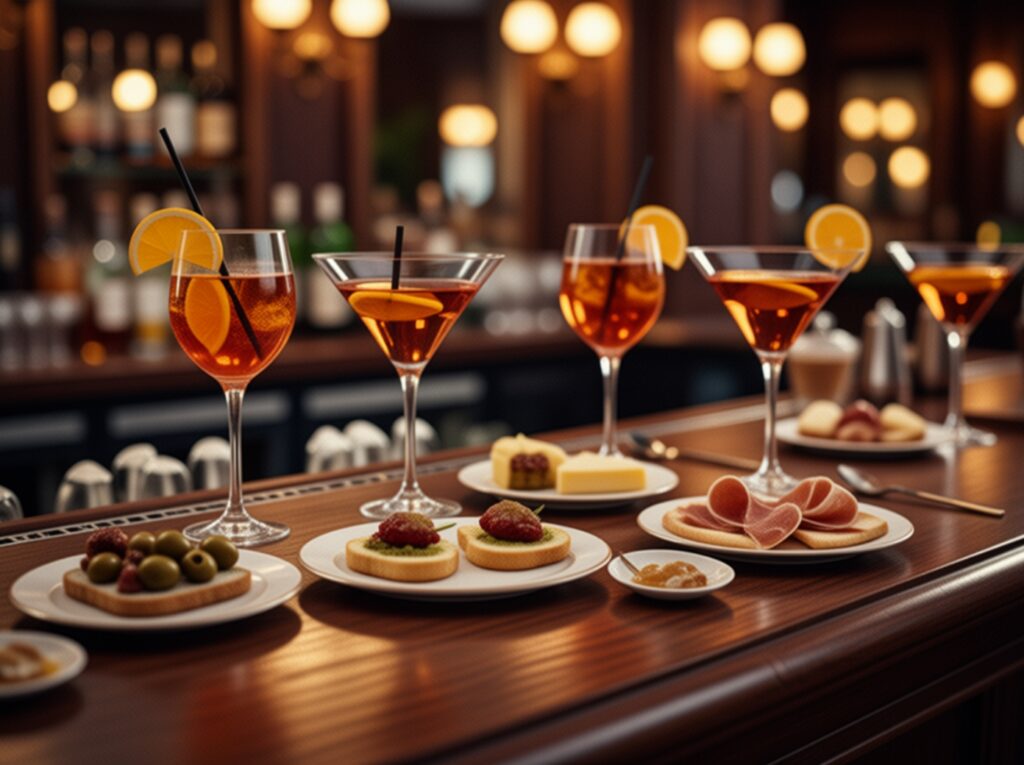
In the Tuscan summer, the aperitivo takes on a particularly enchanting quality. As the heat of the day mellows, people spill out onto piazzas and terraces, basking in the warm evening air. The drinks are often lighter and more refreshing, designed to quench thirst and stimulate the appetite. Think crisp white wines, sparkling Prosecco, or perhaps a vibrant Aperol Spritz, its orange hue mirroring the setting sun.

Tuscan Summer Bites: A Symphony of Simple Flavors

The accompanying food during a Tuscan aperitivo is just as important as the drinks. These are not heavy, filling appetizers but rather small, flavorful bites designed to complement the beverages and tantalize the taste buds. The emphasis is on fresh, seasonal ingredients, often prepared with simplicity and showcasing the quality of the produce.

Imagine a platter featuring:

Crostini: Toasted slices of rustic bread rubbed with garlic and drizzled with fragrant Tuscan olive oil, perhaps topped with fresh tomatoes and basil (bruschetta) or a flavorful chicken liver pâté (crostini toscani).

Olives: A selection of locally sourced olives, marinated in herbs and olive oil, offering a salty and savory counterpoint to the drinks.

Cheeses: Small wedges of Pecorino Toscano, the region’s renowned sheep’s milk cheese, ranging from fresh and delicate to aged and robust.

Salumi: Thinly sliced Tuscan cured meats like prosciutto, salami, or finocchiona (fennel-seed salami), offering a rich and savory element.

Frittatas: Small, savory egg omelets filled with seasonal vegetables like zucchini, spinach, or peppers, perfect for a light and satisfying bite.

Panzanella Bites: Miniature versions of the classic Tuscan bread salad, featuring stale bread soaked with ripe tomatoes, cucumbers, onions, and basil, dressed with olive oil and vinegar.

Marinated Vegetables: Grilled or marinated zucchini, eggplant, or artichoke hearts, showcasing the summer’s bounty.
These simple yet flavorful bites perfectly capture the essence of Tuscan summer cooking – fresh, seasonal, and utterly delicious.

Bringing the Tuscan Aperitivo to Destin: Tips for Your Own Golden Hour

Even without a trip to Tuscany, you can easily bring the spirit of a Tuscan summer evening to your Destin home:

Embrace Simplicity: The beauty of the aperitivo lies in its understated elegance. Focus on fresh, quality ingredients and simple preparations.

Seasonal Flavors: Utilize the abundance of fresh produce available in Florida during the summer. Think juicy tomatoes, sweet basil, ripe peaches (perhaps grilled with a drizzle of honey), and vibrant bell peppers.

Refreshing Drinks: Opt for lighter beverages that complement the warm weather. Local craft beers, crisp white wines (regardless of origin!), sparkling water with a splash of citrus, or a homemade lemonade infused with fresh herbs are all excellent choices.
Consider offering a non-alcoholic Spritz alternative with blood orange soda and sparkling water.

Create a Relaxed Ambiance: Set the scene with comfortable seating, soft lighting (think string lights or candles), and perhaps some Italian music in the background. The goal is to create a convivial and unhurried atmosphere.

Focus on Conversation: The aperitivo is as much about socializing as it is about food and drink. Encourage conversation and enjoy the company of your guests.

Don’t Overdo It: The aperitivo is meant to be a prelude to dinner, not a meal in itself. Keep the portions of the food bites small and the focus on stimulating the appetite.

Explore Local and Tuscan Inspired Pairings: Consider pairing local Florida seafood with a crisp Pinot Grigio, or offer a Florida craft beer alongside Italian cured meats. The possibilities are endless!

Elevating Your Destin Aperitivo Experience

For those in Destin looking to truly immerse themselves in the flavors of Tuscany, even beyond the aperitivo, the expertise of a private chef specializing in this vibrant cuisine can be invaluable. Chef Damiano brings the authentic taste of Tuscan cooking to the Emerald Coast, creating bespoke culinary experiences tailored to your preferences. Imagine savoring a perfectly prepared Tuscan meal following your delightful aperitivo, all in the comfort of your own home or vacation rental.

Whether you’re hosting a casual gathering with friends, a romantic sunset celebration, or a family get-together, incorporating the tradition of the Tuscan aperitivo can elevate your Destin summer evenings. It’s an invitation to slow down, savor the simple joys, and embrace the art of good food, good drink, and good company – all with the unmistakable flavor of Tuscany. As the golden hour descends over the Emerald Coast, let the spirit of the Tuscan aperitivo infuse your summer with warmth, flavor, and unforgettable moments. For a truly authentic taste of Tuscany, consider exploring the culinary artistry of local private chefs like Chef Damiano.

Imagine a stress-free, delicious taste of Tuscany brought right to your Destin doorstep. Book Chef Damiano now and treat yourself to a personalized culinary journey you won’t soon forget. Reserve your date today!

The Magic of Tuscan Truffles: Uncovering the Secrets of Tuscany’s Most Luxurious Ingredient

The Magic of Tuscan Truffles: Uncovering the Secrets of Tuscany’s Most Luxurious Ingredient


Tuscany, a region in central Italy, is renowned for its breathtaking landscapes, rich history, and exceptional cuisine. One of the key ingredients that sets Tuscan cuisine apart is the truffle, a rare and luxurious fungi that’s prized for its unique flavor and aroma.

In this post, we’ll delve into the world of Tuscan truffles, exploring their history, characteristics, and uses in traditional Tuscan cuisine. We’ll also provide tips for cooking with truffles and highlight some of the best places to try truffle-based dishes in Tuscany.


A Brief History of Truffles in Tuscany

Truffles have been a part of Tuscan cuisine for centuries. The ancient Romans prized truffles for their unique flavor and aroma, and they were often served at banquets and feasts.


In the Middle Ages, truffles became a staple ingredient in Tuscan cuisine, particularly in the region’s rural areas. Truffle hunters would venture into the forests and countryside, searching for the prized fungi to use in traditional dishes.
 

Today, truffles remain an integral part of Tuscan cuisine, with many local restaurants and chefs showcasing the ingredient in creative and delicious ways.


Characteristics of Tuscan Truffles

Tuscan truffles are renowned for their unique flavor and aroma, which is often described as earthy, nutty, and slightly sweet.
There are several species of truffle found in Tuscany, including the prized white truffle (Tuber magnatum) and the black truffle (Tuber melanosporum). Each species has its own unique characteristics and flavor profile.

Tuscan truffles are typically harvested between November and March, with the peak season being December and January.


Traditional Tuscan Truffle Dishes

Truffles are a key ingredient in many traditional Tuscan dishes, including:
  • Ribollita: A hearty soup made with vegetables, bread, and truffles.
  • Pappardelle al Cinghiale: A pasta dish made with wild boar ragù, porcini mushrooms, and truffles.
  • Tortellini en Brodo: A traditional Tuscan soup made with cheese-filled tortellini, served in a light chicken broth and topped with truffles.
  • Bistecca alla Fiorentina: A classic Tuscan steak dish, often served with truffles and porcini mushrooms.


Cooking with Truffles in Tuscany

Cooking with truffles requires a delicate touch, as the fungi’s unique flavor and aroma can be easily overpowered. Here are a few tips for cooking with truffles in Tuscany:
  • Use high-quality ingredients: Truffles pair best with high-quality ingredients, such as fresh vegetables, meats, and cheeses.
  • Keep it simple: Truffles are a strong ingredient, so it’s best to keep the dish simple and allow the truffle to shine.
  • Use the right amount: Too little truffle and the dish won’t have enough flavor – too much and the truffle can overpower the other ingredients.


Where to Try Truffle-Based Dishes in Tuscany

Tuscany is home to many exceptional restaurants and chefs who showcase truffles in creative and delicious ways. Here are a few recommendations for where to try truffle-based dishes in Tuscany:
  • La Porta: A Michelin-starred restaurant in Siena, known for its creative and delicious truffle-based dishes.
  • Il Palagio: A restaurant in Florence, offering a range of truffle-based dishes, including pasta, risotto, and steak.
  • La Cantina del Leopardo: A cozy restaurant in the heart of Tuscany, serving traditional Tuscan dishes, including many truffle-based options.

Tuscan truffles are a true delicacy, prized for their unique flavor and aroma. Whether you’re a foodie, a chef, or simply a lover of Italian cuisine, truffles are definitely worth trying. With their rich, earthy flavor and numerous health benefits, it’s no wonder that truffles are considered one of Tuscany’s most luxurious ingredients.

Tuscany’s Embrace: The Heart of Italy Welcomes the Jubilee 2025

Tuscany’s Embrace: The Heart of Italy Welcomes the Jubilee 2025

The anticipation for Jubilee 2025 ripples through Italy, a wave of spiritual renewal and cultural celebration emanating from the heart of Catholicism, Rome. While the Eternal City prepares for an influx of pilgrims, Tuscany, its neighbor and a land steeped in history and artistry, is also poised to play a unique role in this momentous occasion. It’s not about grand, centralized events mirroring those in Rome; rather, Tuscany’s celebration is a subtle, harmonious blend of its inherent beauty, spiritual heritage, and the welcoming spirit that defines the region.

A Ripple Effect of Faith and Culture:

The Jubilee 2025, a Holy Year declared by the Catholic Church, is fundamentally a pilgrimage to Rome. However, the sheer scale of the event ensures that its influence extends far beyond the Vatican walls. Tuscany, with its proximity and profound historical connection to the Church, will naturally experience a surge in visitors seeking to complement their Roman pilgrimage with a journey through the region’s spiritual and artistic treasures.

Imagine pilgrims, their hearts filled with the solemnity of their Roman experience, seeking solace and reflection amidst the rolling hills of Chianti. They yearn for the quiet contemplation offered by ancient monasteries nestled in the Tuscan countryside or the serene beauty of the region’s many historic churches. This is where Tuscany’s unique contribution to the Jubilee becomes apparent: it provides a space for spiritual respite and a deeper engagement with the Christian heritage that has shaped the region for centuries.

Pilgrimage Pathways and Spiritual Sanctuaries:

Tuscany boasts a rich network of pilgrimage routes, many predating the modern era. These ancient pathways, once trodden by devout travelers, offer a tangible connection to the past and a chance to experience the region’s spiritual essence.

The Via Francigena: This historic pilgrimage route, stretching from Canterbury to Rome, traverses the heart of Tuscany. Pilgrims walking this ancient path will find themselves immersed in the region’s stunning landscapes, passing through medieval villages and encountering centuries-old churches and abbeys. For Jubilee 2025, many churches and monasteries along the Via Francigena are preparing special welcome programs for pilgrims, offering accommodation, meals, and spiritual guidance.

Monasteries and Abbeys: Tuscany is home to numerous monastic communities, including Vallombrosa Abbey and Monte Oliveto Maggiore, which offer a unique opportunity for spiritual retreat and reflection. These communities are preparing for the Jubilee by organizing special liturgical celebrations, guided tours, and opportunities for pilgrims to participate in monastic life.

Local Churches and Shrines: Every town and village in Tuscany possesses its own unique spiritual heritage, embodied in its local churches and shrines. During the Jubilee, these places of worship will host special events and exhibitions, showcasing the region’s rich religious art and history.

Art, History, and Faith Intertwined:

Tuscany is synonymous with art and culture, and its artistic heritage is deeply intertwined with its religious traditions. The Jubilee provides an opportunity to explore this connection through special exhibitions and events.

Religious Art Exhibitions: Museums and galleries across Tuscany will host exhibitions showcasing religious art from the region’s rich past. These exhibitions will highlight the works of renowned Tuscan artists, such as Giotto, Fra Angelico, and Michelangelo, whose creations were often inspired by their faith.

Guided Tours of Historic Churches: Expert guides will lead tours of Tuscany’s historic churches, providing insights into their architectural significance, artistic treasures, and historical context. These tours will offer pilgrims a deeper understanding of the region’s religious heritage and its enduring influence on Tuscan culture.

Musical Performances: Music has always been an integral part of religious celebrations, and the Jubilee will be no exception. Tuscany’s renowned musical institutions will host concerts and performances of sacred music, creating a harmonious atmosphere of spiritual reflection.

Tuscan Hospitality: A Warm Welcome for Pilgrims:

Tuscany is known for its warm hospitality, and this welcoming spirit will be particularly evident during the Jubilee. Local communities are preparing to receive pilgrims with open arms, offering accommodation, meals, and assistance.

Accommodation for Pilgrims: Many hotels, bed and breakfasts, and agriturismi in Tuscany are offering special packages for pilgrims, providing comfortable and affordable accommodation. Monasteries and religious institutions along the pilgrimage routes are also offering hospitality to those who seek a more contemplative experience.

Culinary Delights: Tuscan cuisine is renowned for its simplicity and quality, and pilgrims will have the opportunity to savor the region’s delicious food and wine. Local restaurants and trattorias are preparing special menus featuring traditional Tuscan dishes.

Cultural Events and Festivals: During the Jubilee, Tuscany will host a variety of cultural events and festivals, showcasing the region’s rich traditions and vibrant spirit. These events will provide pilgrims with an opportunity to experience the local culture and connect with the community.

Sustainable Tourism and Responsible Pilgrimage:

As Tuscany prepares for the influx of pilgrims, it is also committed to promoting sustainable tourism and responsible pilgrimage. The region is working to minimize the environmental impact of tourism and ensure that the benefits of the Jubilee are shared by local communities.

Promoting Eco-Friendly Transportation: Tuscany is encouraging pilgrims to use public transportation, cycling, and walking to explore the region. This helps to reduce traffic congestion and air pollution.

Supporting Local Businesses: Pilgrims are encouraged to support local businesses, such as family-run restaurants, artisan shops, and farms. This helps to ensure that the benefits of tourism are distributed throughout the community.

Respecting the Environment and Culture: Pilgrims are encouraged to respect the environment and cultural heritage of Tuscany by following responsible tourism guidelines.

A Time for Reflection and Renewal:

The Jubilee 2025 is a time for reflection and renewal, and Tuscany provides the perfect setting for this spiritual journey. The region’s natural beauty, rich history, and welcoming spirit create an atmosphere of peace and tranquility, allowing pilgrims to connect with their faith and experience the transformative power of pilgrimage.

Tuscany’s role during the Jubilee 2025 is not one of grand spectacles, but of quiet, profound resonance. It is a place where pilgrims can find respite from the crowds, where the ancient stones whisper stories of faith, and where the beauty of the landscape reflects the divine. In essence, Tuscany offers a living, breathing testament to the enduring power of faith and the enduring beauty of the human spirit, making it an integral part of the Jubilee experience.

Discovering San Gimignano: The Hidden Gem of Tuscany

Discovering San Gimignano: The Hidden Gem of Tuscany

Tucked away in the rolling hills of Tuscany, Italy, lies the enchanting medieval town of San Gimignano. This captivating destination is a treasure trove of rich history, breathtaking architecture and delectable cuisine, making it a must-visit for anyone seeking an authentic Italian experience.

A Brief History of San Gimignano

San Gimignano’s origins date back to the 3rd century BC, when it was a small Etruscan village. The town gained prominence in the Middle Ages, becoming a strategic stronghold for the Medici family. Its unique skyline, dotted with towering medieval structures, earned it the nickname “Medieval Manhattan.” Today, San Gimignano is a UNESCO World Heritage Site and one of Italy’s most beloved tourist destinations.

Exploring San Gimignano’s Architecture

As you wander through San Gimignano’s cobblestone streets, you’ll be struck by its impressive array of medieval towers and fortifications. Some must-see landmarks include:
Torre Grossa: The tallest tower, offering breathtaking views of the surrounding countryside.
Palazzo del Popolo: A stunning 13th-century town hall featuring intricate stone carvings.
Duomo di San Gimignano: A beautiful Romanesque cathedral with impressive frescoes.

Savoring San Gimignano’s Cuisine

San Gimignano’s culinary scene showcases the best of Tuscan tradition. Be sure to try:
Ribollita: A hearty soup made with vegetables, bread and cannellini beans.
Pappardelle al Cinghiale: Wide, flat pasta served with wild boar ragù.
Cantucci con Vin Santo: Almond biscuits dipped in sweet Vin Santo dessert wine.
Gelato: San Gimignano is famous for its unique flavors, like saffron and pistachio.

Local Wines and Vineyards

Tuscany is renowned for its exceptional wines. Visit local vineyards to taste:
Chianti Classico: A full-bodied red wine perfect for pairing with ribollita or pappardelle.
Vernaccia: A crisp white wine ideal for sipping on a warm afternoon.
Castello di Ama: A winery producing exceptional Chianti Classico and Super Tuscan wines.

Insider Tips for Visiting San Gimignano

Visit early morning or late afternoon: Avoid tourist crowds and enjoy golden hour views.
Explore hidden alleys: Discover charming shops, cafes and unexpected views.
Take a cooking class: Learn traditional Tuscan recipes with a local chef.
Hike the surrounding countryside: Enjoy breathtaking views of Tuscany’s rolling hills.

Day Trips

Siena: Explore the famous Piazza del Campo (30 minutes).
Florence: Visit the Uffizi Gallery and Duomo (1.5 hours).
Volterra: Discover Etruscan ruins and medieval architecture (30 minutes).

San Gimignano, with its captivating history, stunning architecture and mouth-watering cuisine, is an unforgettable destination. Whether you’re a history buff, foodie or nature lover, this enchanting Tuscan town has something for everyone. Come and experience la dolce vita – the sweet life – in San Gimignano.